Real estate website design that earns trust and drives leads

Originally published February 5, 2019 by Mel Destafano. Updated June 26, 2026 by Sean Maconachy.
Real estate website design shapes how buyers, tenants, and investors judge a firm long before any conversation begins. Clique Studios designs and builds real estate websites that demonstrate proven expertise, present properties through high-quality visuals, and turn anonymous visitors into qualified leads. Real estate is a competitive field, and a developer, brokerage, or design-build firm is measured by the website that represents its craft. Too many companies settle for templated solutions that blend in. The sections below show how Clique Studios approaches real estate web design, the features that separate effective sites from forgettable ones, and the measurable results delivered for partners such as Magellan Development Group, Bekins, and ARCO/Murray.
What makes a real estate website effective?
Key Takeaways. An effective real estate website demonstrates expertise, presents properties through high-quality visuals, and tracks visitor behavior to improve lead generation. Buyers vet a firm's credibility before reaching out, so proof of past work belongs above the fold. Connected analytics let teams measure what converts and refine the experience over time.
Demonstrated Expertise
Real estate buyers rarely complete a purchase through a website, but they do use it to vet a contractor, developer, or building. A real estate website is the place to validate quality through case studies, testimonials, and recognizable client logos. The National Association of Realtors reports that nearly half of buyers begin their home search online, so the first impression a site creates often decides whether a firm reaches the shortlist. Clique Studios designs these pages to surface credibility signals early, so prospects see evidence of capability within seconds.
Compelling Visuals
Seeing is believing in real estate. The photography, video, and renderings on a website show prospects what a firm builds, designs, or moves, and let them picture the finished result. High-quality media signals the caliber of the underlying work, while templated stock imagery undercuts it. Thoughtful web design treats visuals as evidence rather than decoration, pairing them with the responsive design needed to render cleanly on phones, tablets, and desktops.
Performance Tracking
Most real estate sites exist to generate leads, so data should confirm that goal is being met. Connected analytics and ongoing A/B testing reveal which pages, forms, and calls to action perform, and which need work. Clique Studios reviews web design statistics and live behavior data to guide each iteration, turning guesswork into measured decisions.
How does real estate website design generate leads?
Key Takeaways. Real estate website design generates leads by combining conversion-focused layouts, optimized forms, and continuous testing. Shorter forms, visible calls to action, and fast pages reduce friction at the moment a visitor decides to act. Ongoing measurement then compounds those gains, lifting conversion rates well beyond a single launch.
Lead generation improves when design removes obstacles between interest and action. Clique Studios redesigned the website for Bekins, a national moving company, with conversion design and form optimization as the priority. After launch, the Bekins paid-traffic conversion rate rose from 8.17% to 12.55%, and paid-traffic conversions increased 7%. Bounce rate from organic search fell 5% and bounce rate from social media fell 5%. Holding annual traffic at the prior year's 175,560 sessions, Clique projected roughly 7,689 additional conversions, a rise from 14,343 to 22,032.
These outcomes followed a deliberate method: simplified navigation, a modernized brand, and forms built for completion rather than abandonment. Conversion-focused design rewards shorter forms, since each additional field tends to lower completion. Clique Studios pairs that discipline with digital marketing and continued A/B testing, the same loop that keeps refining the Bekins results today. Firms running an aging site often recover the most ground through a structured website redesign that rebuilds the conversion path from the first screen to the final form.
What features should a real estate website include?
Key Takeaways. A real estate website should include property or project galleries, mobile-responsive layouts, fast-loading pages, accessible markup, and prominent lead-capture forms. IDX or MLS integration matters for brokerages that list active inventory, while developers benefit most from filterable project pages. A flexible content management system lets teams update listings and studios without developer help.
The right feature set depends on whether a firm sells homes, leases space, or builds for clients. A brokerage with live listings needs search and filtering tied to current inventory. A developer or design-build firm needs a portfolio that conveys range across locations and project types. Both need pages that load quickly, read cleanly on mobile, and guide visitors toward contact.
Speed and accessibility sit underneath every other feature. Google's Core Web Vitals recommend a Largest Contentful Paint under 2.5 seconds, a target that real estate sites with heavy imagery can miss without careful attention to page loading performance. Accessible markup that follows the WCAG guidelines widens the audience and supports the semantic structure that AI answer engines and assistive technologies both rely on.
Platform choice shapes how easily a team maintains all of this. Clique Studios builds real estate sites on Webflow for marketing-led speed and on WordPress for content-heavy operations, matching the system to how a firm actually works. The feature set below earns its place on most real estate websites:
- IDX or MLS integration for brokerages with active listings
- Filterable property or project pages that convey breadth across locations
- High-quality photography, video, and renderings that show finished work
- Mobile-responsive layouts tested across phones, tablets, and desktops
- Fast pages that meet Core Web Vitals thresholds
- Accessible, semantic markup aligned with WCAG
- Prominent lead-capture forms with minimal fields
- A flexible CMS for self-service updates to listings and studios
Each feature should follow recognized web design standards and a disciplined web design process, so the finished site performs as well as it looks.
Real estate websites we've designed and built
Clique Studios has designed and built real estate websites across development, brokerage, commercial property, and design-build. A sample of that portfolio of work appears below, each project leading with the outcome it produced.
Magellan Development Group
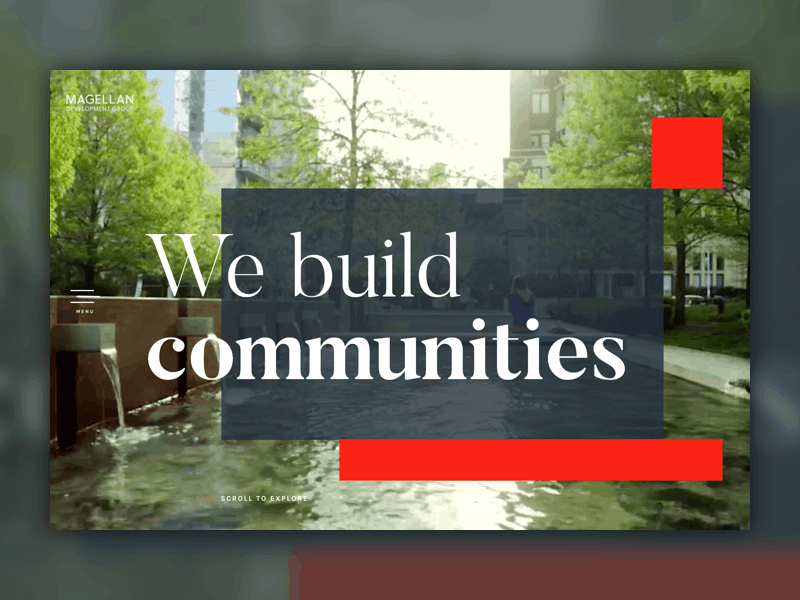
Magellan Development Group plans, designs, and builds communities, and returned to Clique Studios for a brand refresh that better reflected its national portfolio.
- Modernized the brand and elevated the portfolio with a filterable projects page spanning multiple markets
- Conveyed national reach through featured case studies and high-quality imagery
- Guided homepage messaging and copy through content workshops to express the firm's community-building story
- Preserved valuable content from the previous site through selective integration
CCIM Institute
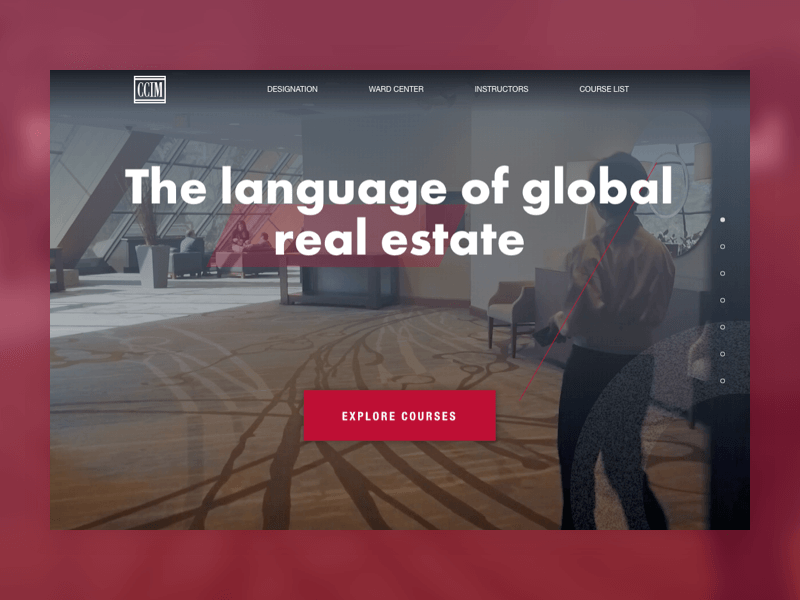
CCIM Institute, the leading commercial real estate investment designation, needed an education portal that matched its instruction quality.
- Improved course discovery with filtering by location, format, and instructor
- Spotlighted instructors through flattering profiles to entice prospective students
- Built an interactive “Path to the Pin” guide outlining required coursework for the designation
- Delivered more than 12 custom templates plus Personify API integration for current and future content
Bekins Moving Solutions
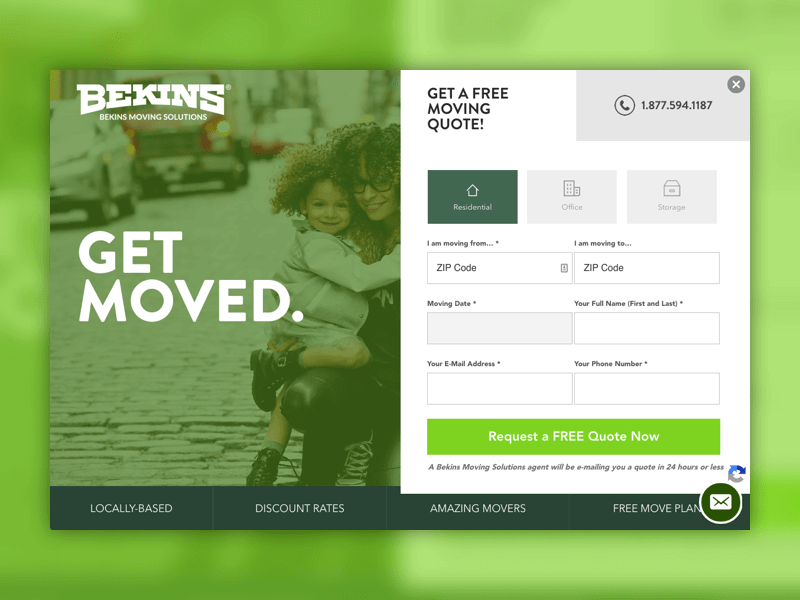
Bekins, a national moving company with local service, needed a site built to convert.
- Raised the paid-traffic conversion rate from 8.17% to 12.55% through conversion and form design
- Increased paid-traffic conversions 7% while reducing bounce rate from organic search and social by 5% each
- Added a live chat feature and interactive map to support moving inquiries
- Projected roughly 7,689 additional yearly conversions at steady traffic, per Clique's analysis
The Fine Arts Building
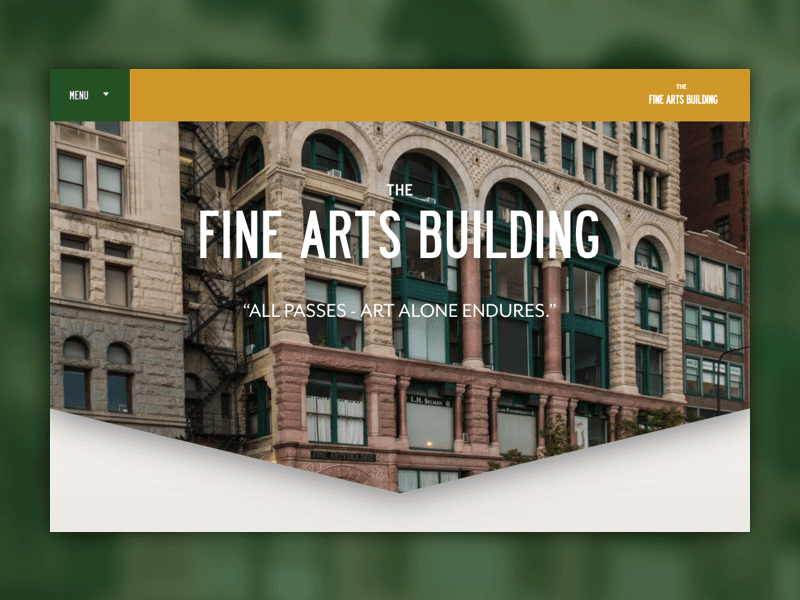
The Fine Arts Building, a historic Chicago landmark and Clique's own home, had no prior web presence.
- Launched the building's first website and digital directory, updatable as tenants change
- Created a Rent A Studio page that has since driven meaningful leasing leads
- Established the landmark's first brand guidelines
- Extended reach through built-in social shareability
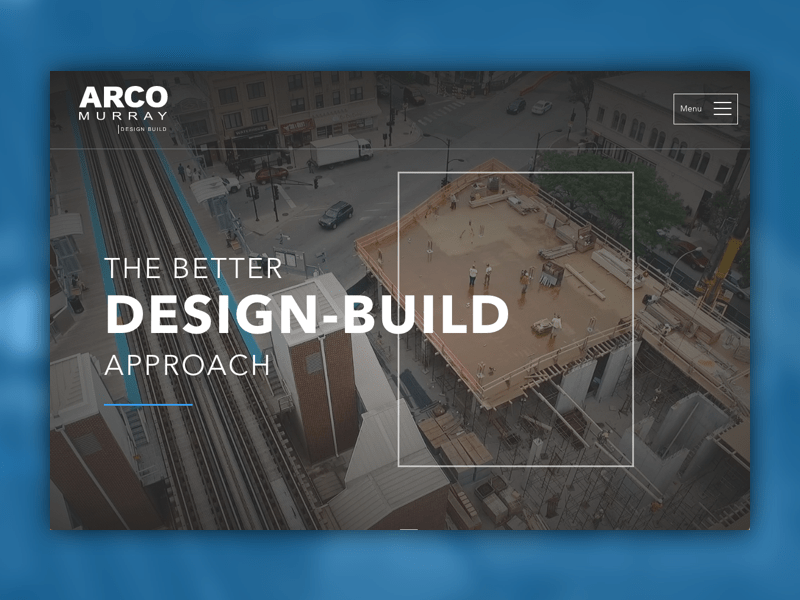
ARCO/Murray
ARCO/Murray, a national design-build contractor, wanted a site to attract talent and clients.
- Showcased an extensive portfolio to project reputation and win new clients
- Built a brand- and culture-led design to recruit the next generation of talent
- Created custom animations and 10 unique templates to bring the brand to life
Siteline Interior Carpentry
Siteline Interior Carpentry, a finish carpentry firm with more than a thousand completed projects, needed a site to support rapid expansion.
- Built a scalable site spotlighting high-profile projects and a differentiated approach
- Brought hiring online for the first time through a redesigned application workflow
- Reinvented internal communication with a custom intranet
- Improved sales-lead conversion through customized forms and email capture

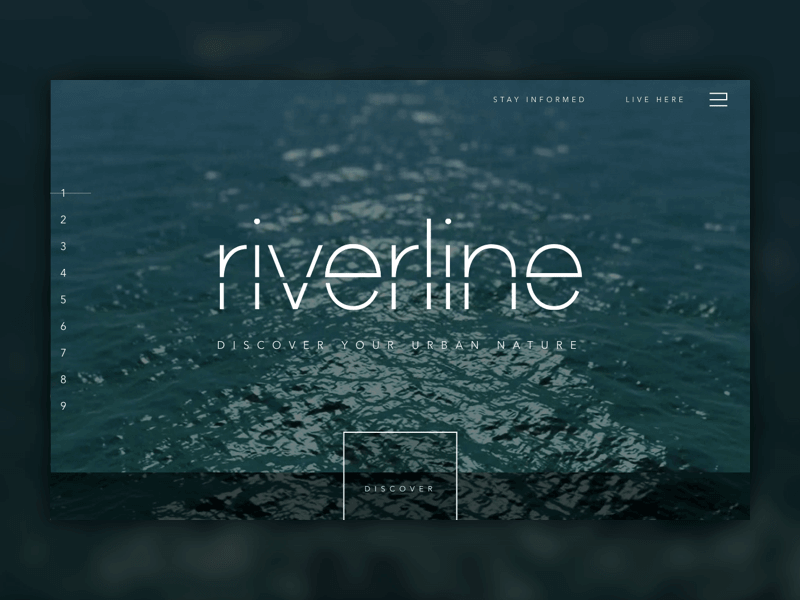
Riverline
Riverline, one of the largest developments in Chicago's South Loop, needed a phased launch to build buzz and generate leads.
- Launched a foundational microsite that established the brand and generated early commercial and residential interest
- Embedded “tour points” across the site to mimic a real-life property tour
- Added interactive elements and accessible lead-generation forms to capture demand
Why partner with Clique Studios for real estate web design?
Key Takeaways. Clique Studios brings more than fifteen years of web design and development, a real estate portfolio spanning development to brokerage, and measurable conversion results. The team aligns brand, content, and engineering so a site performs across credibility, search, and lead generation. Chicago roots and ongoing optimization keep each real estate website improving after launch.
Clique Studios has spent more than fifteen years designing and building websites, with a real estate portfolio that runs from national developers to local landmarks. Our approach aligns brand, content, and engineering from the first workshop, so design decisions support content and content supports the structured data that search and AI engines read. The team works from Chicago and ranks among the city's web design agencies, which means face-to-face collaboration and a feel for the local market.
Buyers research heavily before reaching out. The National Association of Realtors finds that the overwhelming majority of buyers use online tools during the search, so a real estate site has to earn trust quickly and keep earning it through speed, accessibility, and clear proof. Explore more case studies to see how that discipline plays out across industries, then bring a project to the team.
Ready to build a real estate website that converts?
Tell Clique Studios about the firm, the goals, and the timeline. Start the conversation on the contact page.